All Categories
Featured
Table of Contents
ChatGPT bypassed many standard early adoption hurdles by being complimentary, intuitive, and immediately impactful for individual and professional use. ChatGPT's public release in November 2022 drew tech enthusiasts, early adopters, and curious users.

ChatGPT went beyond 100 million monthly active users in January 2023, just 2 months after its launch. Prevalent adoption throughout markets such as customer support, content creation, and education. Organizations began embedding ChatGPT APIs into workflows, and technology business invested capital and resources into AI-focused R&D jobs, broadening its reach. Wider adoption in non-tech sectors, with AI tools integrated into everyday organization and consumer tools.
Adoption by those doubtful of AI or unfamiliar with its use cases. Increasingly common in background systems (e.g., wise assistants, apps). Social concerns over AI changing tasks or generating misinformation developed resistance. Users had to learn how to leverage AI tools effectively and how they might contextually use them to drive value for unique use cases.
Freemium designs significantly speed up adoption by getting rid of barriers to entry. This produces a space in between digital innovation capabilities and the human ability to use those capabilities, which is growing and accelerating.
Deploying Intelligent Infrastructure for Enterprise Workflows
The clients in the very first group are visionaries, and the latter are pragmatists. An important stage in the technology adoption lifecycle is when brand-new technology is being utilized by early adopters rather than by the early majority. The "chasm" describes the gap in between the early adopter and early bulk sections.
To cross the gorge, a company requires to establish a strategy that deals with the issues of the early majority and persuades them to adopt the item. Convincing the early majority to embrace the product involves constructing a sleek and reputable item with a marketing message highlighting the technology's practical advantages.
The user experience taken pleasure in by this specific niche target sector ultimately identifies the word-of-mouth credibility within different segments of the early bulk. Just when a technology effectively crosses the gorge can it attain mainstream adoption.
The Practical Tech Transformation Playbook for 2026
Utilize a no-code editor to create in-app assistance such as Task Lists, Tours, Flows, Field Validations, and Smart Tips that offer contextual support for your workers in the circulation of work. Connect your understanding with which overlays on your digital workplace apps and incorporates with your knowledge repositories such as your procedure paperwork, intranet portal, internal wiki, Google Drive, LMS, and more.
Self Aid can offer conversational genAI-powered answers trained by your internal knowledge and documentation. This supports end-users in the circulation of work, without leaving the application, driving productivity and business results. Examine adoption and user behavior with application analytics that enables continuous process enhancement and a data-driven innovation adoption method.
The Blueprint for a Truly Intelligent Corporate Proving Ground28 September, 2023 Contenido redactado por: Enags Major developments that transform sectors and produce brand-new chances establish in waves chiefly marked by one or more technologies that end up having a considerable influence on the economy and on society. The identification of these waves comes from the work of Joseph Schumpeter, a leading economist who focused his research study on company cycles, the role of innovation and financial development.
Throughout the very first wave of development, which occurred approximately in between 1785 and 1830, brand-new technologies were introduced that changed everything. Hydraulic energy was essential in markets that would mark these years, such as the fabrics, paper and iron and steel production industries. The so-called very first Industrial Transformation, which started a couple of years before this preliminary wave, totally changed the economy of the time, laying the structures for a system that continues to this day, which changed society permanently.
The Blueprint for a Truly Intelligent Corporate Proving Ground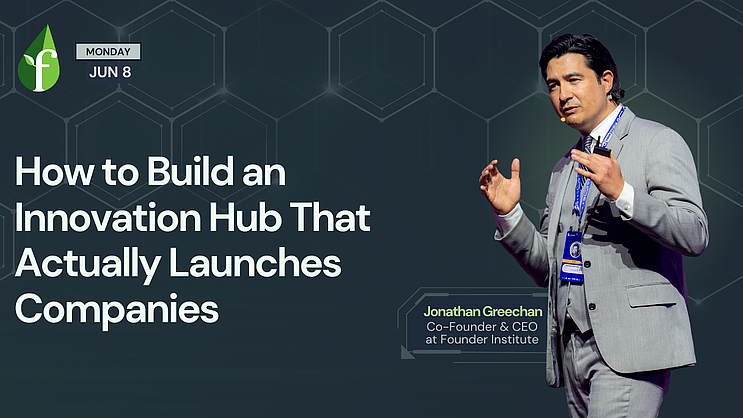
Use a no-code editor to develop in-app guidance such as Job Lists, Tours, Flows, Field Validations, and Smart Tips that provide contextual assistance for your staff members in the flow of work. Connect your knowledge with which overlays on your digital workplace apps and integrates with your knowledge repositories such as your procedure documentation, intranet portal, internal wiki, Google Drive, LMS, and more.
Mastering Modern Technology Innovation Cycles in 2026
Self Help can provide conversational genAI-powered responses trained by your internal understanding and documents. This supports end-users in the flow of work, without leaving the application, driving performance and organization results. Evaluate adoption and user habits with application analytics that allows continuous procedure improvement and a data-driven innovation adoption method.
28 September, 2023 Contenido redactado por: Enags Major innovations that change sectors and produce brand-new opportunities establish in waves chiefly marked by one or more technologies that wind up having a substantial effect on the economy and on society. The identification of these waves originates from the work of Joseph Schumpeter, a leading economist who focused his research study on business cycles, the role of development and economic advancement.
Throughout the first wave of innovation, which took place roughly between 1785 and 1830, brand-new technologies were introduced that changed whatever. Hydraulic energy was fundamental in industries that would mark these years, such as the fabrics, paper and iron and steel production markets. The so-called first Industrial Revolution, which started a few years before this preliminary wave, completely changed the economy of the time, laying the foundations for a system that continues to this day, which changed society forever.

Latest Posts
How to Build Agile Innovation Labs
Technical Insights on Modernizing Cloud Infrastructure
Key Enterprise Trends for Managing 2026