All Categories
Featured
Table of Contents
Customer experience will not enhance just since of a brand-new interface if confusion still exists in the back office. When improvement starts without a clear structure, focus is rapidly lost: dozens of parallel initiatives emerge, none of which reach completion.
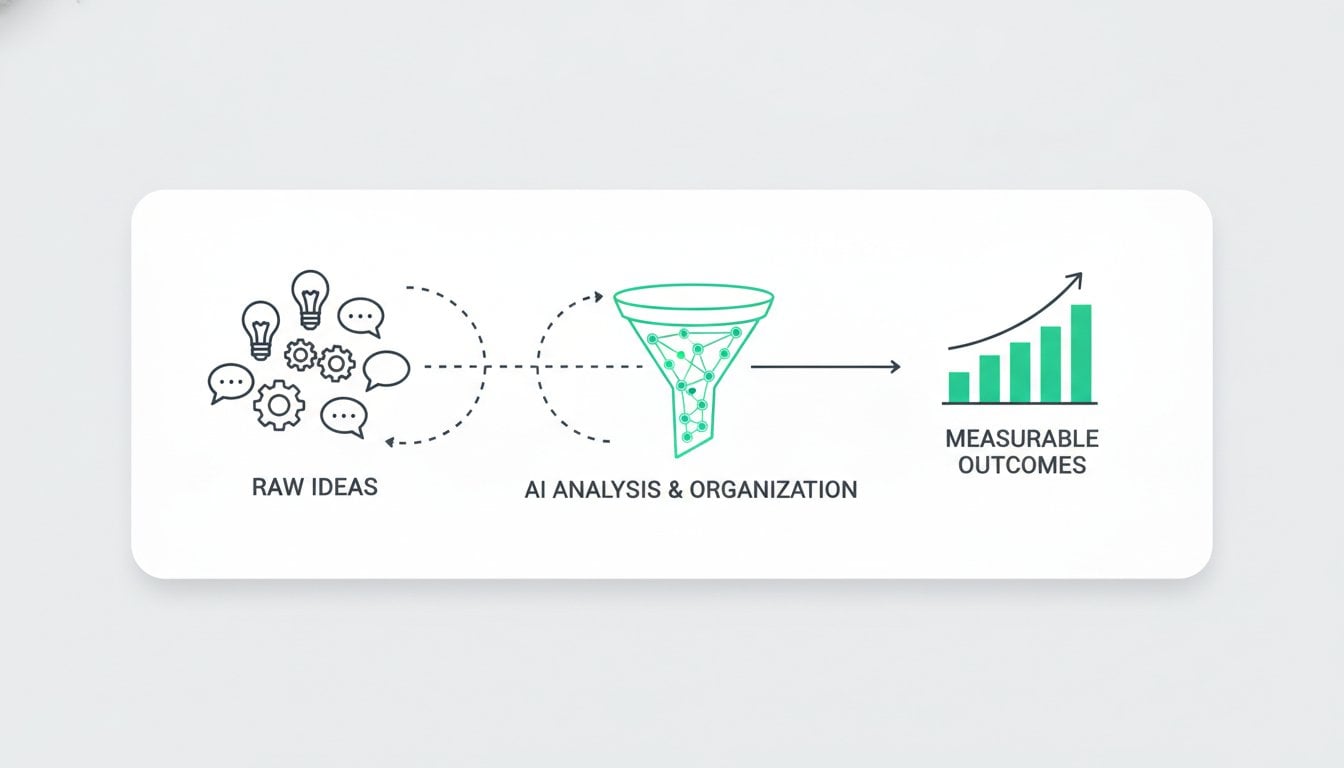
A digital change framework is a system of collaborates that makes it possible for managing change rather than merely reacting to issues. This structure ought to not be a universal design template that works equally well for a caf, an agricultural holding, and a global bank.
You require a sincere evaluation: where time is being wasted, where decisions are stalling, which processes depend upon a particular person. After that, you require to set specific, quantifiable objectives. minimize the time to market for a brand-new item from 4 months to 6 weeks; incorporate 80% of customer questions into a single CRM; minimize the proportion of manual order processing from 40% to 5%.

It is crucial not to prepare whatever at once. It is much better to pick two or three focus areas and finish them totally than to spread out efforts throughout ten directions and finish none.
One of the most typical errors is starting transformation with the choice of a platform. Technology should be an extension of service logic, not a different world that just IT professionals populate.
Managing High-Impact Corporate R&D in 2026
As an outcome, in practice these structures either do not work at all or lead in a completely different instructions than meant. A strong change structure should be versatile adequate to adjust to reality, yet stiff adequate to prevent initiatives from spreading out uncontrollably. An excellent framework helps keep focus, track progress, and correct course when something goes incorrect.
They break down at the execution stage. A company may have an excellent method, leadership support, and a well-designed discussion. But once implementation starts, due dates slip, decision-makers prevent responsibility, and groups stress out. What emerges is not improvement, however a limitless reorganization that everyone silently frowns at. To avoid this, implementation needs to be dealt with as a sequential process with clear phases, not as a "big leap into the future." There is no universal dish.
It consists of 3 stages that can be adjusted to your market, structure, and aspirations. At this stage, there are no brand-new interfaces, no fancy "before/after" slides, and no grand launches.
Building Scalable Innovation Hubs in Future
There is nothing worse than moving quickly without comprehending where you are going. Secret objectives of this stage: Not generic statements, however measurable expectations: what precisely ought to alter, which metrics will be affected, and which choices will become quicker, more affordable, or higher quality. : lower time-to-market for brand-new items from 6 months to two; decrease churn amongst SME customers by 15%; automate 60% of internal demands.
The change owner should have real decision-making authority. IT must comprehend business objectives, and company needs to understand technical constraints.
This stage might feel sluggish or ineffective, but in truth it is a financial investment in the speed of subsequent stages. This is the stage where digital improvement relocations from idea to action or to mayhem, if top priorities are set incorrectly. This is when the first noticeable changes appear: systems go live, procedures shift, and brand-new rules work.
Strategic Insights for Launching Distributed Innovation
The key mistake at this stage is trying to do everything at the same time: implement ERP and CRM, automate logistics, redesign the site, and retrain everybody at the same time. Instead of a digital breakthrough, the result is organizational paralysis. What to do rather: Select a couple of concern locations, bring them to measurable results, analyze outcomes, lock in changes, and just then scale.
It should enter into daily work for everybody. Clear internal communication, training, and support are vital. If the group does not understand why changes are happening, quiet resistance will follow. Successful application is about handling gradual changes in everyday habits. If every month the team works somewhat differently, a little faster, and a little more transparently, you are on the best course.
When initial outcomes appear, there is a strong temptation to stop. And this is the moment that identifies the business's future. Improvement is a new operating design, and it just genuinely works when it stops being viewed as something separate or momentary. What matters at this stage: Not in general regards to "worked or didn't work," however change by modification: influence on speed, expenses, mistakes, sales, and customer complete satisfaction.
If brand-new rules are not working, they should be altered. Flexibility matters more than rigid adherence to the original strategy. The objective of this phase is to transfer the logic of change to teams and embed it into functional thinking. If changes operated in one system, they can be scaled.
Strategic Roadmaps for Launching Global Innovation
This is the minute when digital modification stops being a project and becomes part of daily operations. Business often approach us after they have actually already begun improvement but got stuck along the method.
What to do: begin with a concrete service diagnosis. Clearly specify what must alter and how it will be measured.
Essential Tips for Building Advanced Hubs
The group continues to work as before, with no modifications in culture, procedures, or management. In this case, new tools end up being costly decors.
Essential Strategies for Building Smart Innovation
Groups working on change in between other tasks rarely reach results. What to do: assign a devoted group, resources, and time.
Building High-Performance Innovation Hubs in 2026A service can change processes, but if individuals do not rely on the system, resist change, or continue working out of routine, failure is practically ensured. What to do: involve key individuals early. Explain the reasoning behind modifications, ensure transparent communication, and create an environment where it is safe to make errors, experiment, and adjust.

Latest Posts
How to Build Agile Innovation Labs
Technical Insights on Modernizing Cloud Infrastructure
Key Enterprise Trends for Managing 2026